

Gross Vehicular Manslaughter Defenses - California Penal Code 191.5(a) PC
When charged with a serious crime such as gross vehicular manslaughter while intoxicated, you need a California DUI Lawyer that will fight for you using an effective defense strategy. There are several gross vehicular manslaughter defenses available that could result in a dismissal or reduction of your charge. Here are some gross vehicular manslaughter defenses that our lawyers at Wallin & Klarich can raise on your behalf:
Your actions did not amount to gross negligence
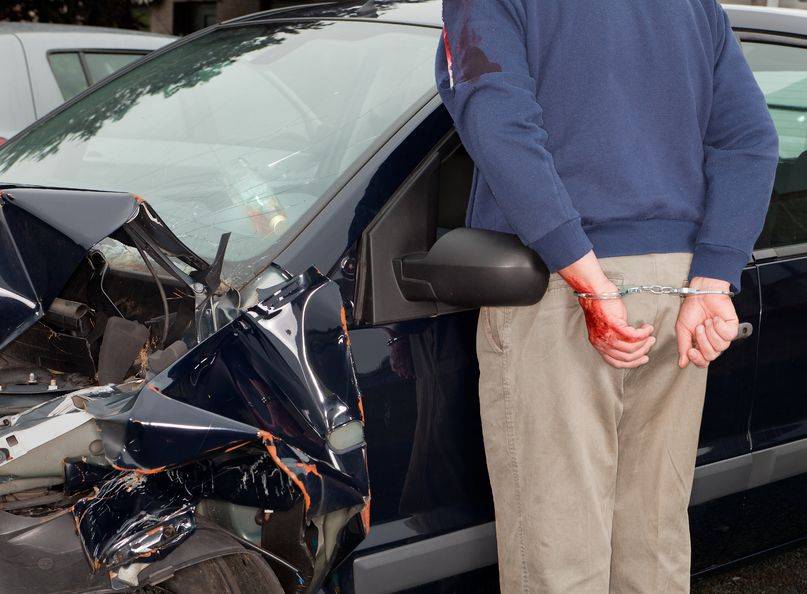
In order to convict you of vehicular manslaughter while intoxicated, the prosecution must prove that you acted with gross negligence. You act with gross negligence if you act in a reckless way that creates a high risk of death or great bodily injury and a reasonable person would have known that acting in that way would create such risk. The determination of what is reasonable is left to the jury and will depend on the individual facts of your case. Your defense attorney can argue that your actions under the circumstances did not amount to gross negligence. If this defense is successful, your gross vehicular manslaughter while intoxicated charge can be reduced to a lesser charge of vehicular manslaughter while intoxicated or even a simple DUI.
Your actions were not the cause of death
In order to convict you of gross vehicular manslaughter while intoxicated, your actions must have been a substantial factor in causing the death of another human being. Since there are several variables involved in an automobile accident, any one of which could be a substantial factor in causing the victim's death, an experienced gross vehicular manslaughter defense attorney can argue that your actions were too far removed to have caused the death of another. If the prosecution cannot prove this causal link between your actions and the death of another, the charges against you will likely be dismissed.
You were not under the influence of drugs or alcohol
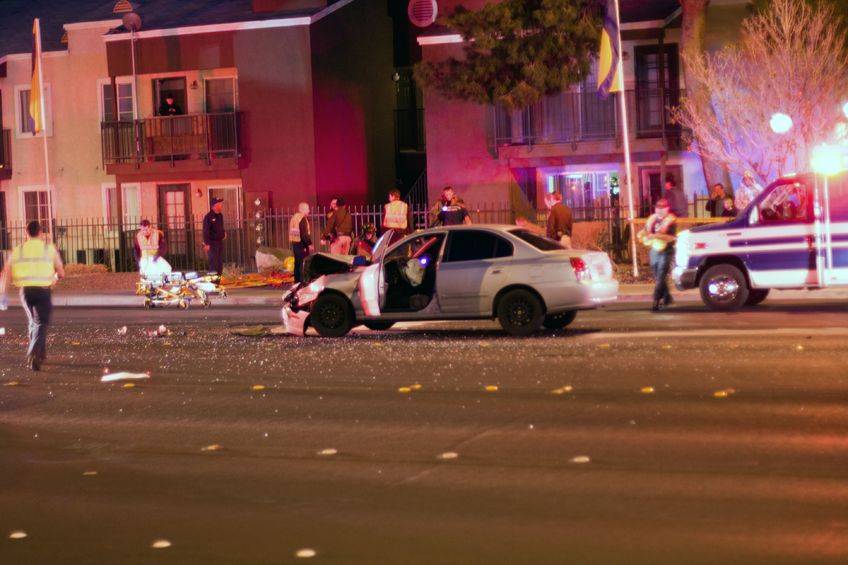
In order to convict you of gross vehicular manslaughter while intoxicated under California Penal Code section 191.5(a), the prosecution must prove that you drove the vehicle while under the influence of drugs or alcohol. An experienced defense attorney can argue that the prosecution has not met this burden based on several factors:
- Breathalyzer Test: A breathalyzer is a device used by the police to determine your blood alcohol content (BAC) by measuring the amount of alcohol in your breath. Breathalyzers are not always 100% accurate and results can vary with temperature, body weight, and calibration. An attorney can raise many of these concerns on your behalf and show the judge and jury that such evidence is not conclusive of intoxication.
- Your Appearance: In order to establish that you were driving under the influence of drugs or alcohol, police officers will often testify to observable symptoms of intoxication you exhibited during the traffic stop. These include watery or bloodshot eyes, slurred speech, and slow reaction time. Although these are commonly cited as signs that you are under the influence of drugs or alcohol, they can also be explained by a variety of other factors such as illness, allergies, exhaustion or nervousness. An experienced defense attorney can argue that these symptoms were simply the product of an existing physical condition rather than an indication that you were intoxicated.
- Field Sobriety Test (FST): Field sobriety tests or FSTs are designed to reveal how the presence of drugs or alcohol in your system has impaired your ability to drive safely. Since these tests rely on your own individual balance, coordination, and memory, those with physical or mental disabilities often face great difficulty in performing these tests regardless of whether or not they were intoxicated. Even if you do possess the physical and mental ability to pass these tests, something unrelated to intoxication could have made it difficult or impossible for you to perform under the circumstances.
Failure to follow police procedures
The United States Constitution guarantees the right to a reasonable expectation of privacy and affords you several protections against illegal or inappropriate police behavior. To further these constitutional protections, the Supreme Court has created certain procedural guidelines that police officers are expected to follow before making an arrest or seizing your property as evidence. These include possessing a "reasonable suspicion" of criminal activity before making a traffic stop, searching your vehicle only for evidence of the crime for which you were arrested, and reading you your Miranda rights before a police interrogation.
If the police illegally obtained evidence by failing to follow any one of these constitutional guarantees, your gross vehicular manslaughter defense attorney can ask the judge to have that evidence excluded. If this defense is successful, the illegally obtained evidence can't be used against you during the prosecution's case in chief.
Califronia gross vehicular manslaughter while intoxicated defense attorneys at Wallin & Klarich

If you are looking for a gross vehicular manslaughter while intoxicated defense lawyer in California to represent you, Wallin & Klarich can help. With over 40 years of experience and offices in Orange County, Los Angeles, San Diego, Riverside, San Bernardino, Ventura, Victorville and West Covina, our highly skilled and professional defense attorneys will conduct a thorough investigation of the facts and passionately argue that your case should be dismissed.
Call us today at (877) 466-5245 or fill out our intake form. We will be there when you call.