What is Counterfeiting? (18 U.S.C. Section 2320)
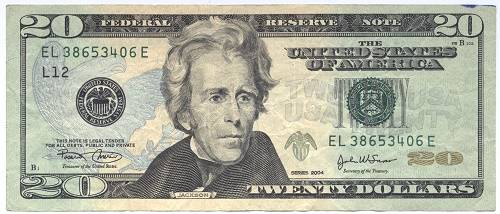 Counterfeiting is the production of fraudulent documents or goods that are fake copies of a genuine, trademark, or patent-protected product. Many people associate counterfeiting with money and documents, but counterfeiting is also making unauthorized goods and passing them off as the real brand product.
Examples of counterfeit items include:
- Pirated CDs,
- Fake money,
- Fake IDs,
- Fake bonds and securities,
- Copies of art that claim to be genuine, and
- Labeling products with a brand name in violation of a patent or trademark. 1
Because trafficking counterfeit goods typically involves interstate and international business, you could be charged with a federal crime if you are accused of counterfeiting. 2
When is an Item Considered Counterfeited?
An item is considered counterfeit if the label is so similar to the original product that it is “likely to deceive.” Counterfeiting doesn’t just apply to goods. Services can also be counterfeited. Often, the counterfeit article is substandard and/or of poor quality.
For instance, counterfeit sneakers could look exactly like Nikes, and they are so similar that you think you are getting the genuine product, but they’re not made by the Nike company and they are likely of lesser quality.
Punishment for Counterfeiting (18 U.S.C. Section 2320)
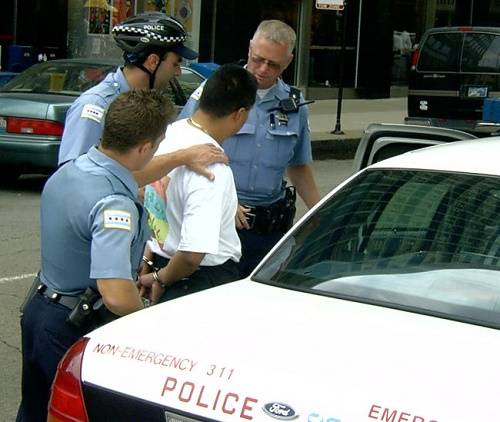
Counterfeiting is punishable by up to 10 years in prison and a $2 million fine for an individual. An entity other than an individual can be fined up to $5 million if it is found to be involved in counterfeiting.
If you knowingly or recklessly cause serious bodily injury by counterfeiting, you could be sentenced to up to 20 years in prison and fined $5 million. The fine could be as much as $15 million for an entity.
If you knowingly or recklessly cause death resulting from counterfeiting, you could be punished by life in prison and fines of up to $5 million. If death results from counterfeiting by an entity, the entity could face up to $15 million in fines.
Defenses to Counterfeiting
In order to be convicted of counterfeiting, the prosecution must prove beyond a reasonable doubt that you knew the item was counterfeit and that you intended to defraud. In other words, you knowingly passed a counterfeit item off as the real product and your intention was to profit from the transaction.
If you receive counterfeit money, and you spend it because you didn’t know it was fake, you lacked the intent to defraud. If you order goods online for resell and the goods are counterfeit, you likely lack the required intent. If you sell a work of art that you believe is an original by Salvador Dali, but it’s a fake, you lack the intent required to be guilty of counterfeiting.
Call Wallin & Klarich Today
If you or a loved one have been arrested for counterfeiting, you need to talk to an experienced federal defense attorney immediately. At Wallin & Klarich, our skilled attorneys have been successfully defending clients facing federal charges for over 40 years. We will meet with you, review the facts of your case, and plan a defense strategy that will help you get the very best outcome possible.
With offices located in Los Angeles, Sherman Oaks, Torrance, Orange County, San Diego, Riverside, San Bernardino, Ventura, West Covina and Victorville, there is an experienced Wallin & Klarich federal attorney available to help you no matter where you work or live.
Call us today at (877) 4-NO-JAIL or (877) 466-5245 for a free phone consultation. We will be there when you call.
1. [http://www.inta.org/TrademarkBasics/FactSheets/Pages/Counterfeiting.aspx]↩
2. [http://www.law.cornell.edu/uscode/text/18/2320]↩