

Search Warrants in California – California Penal Code 1523 PC
Search Warrant Requirements in California
Search warrants in California are issued by a judge on behalf of a prosecuting agency pursuant to California Penal Code section 1523 (PC1523). However, before the judge can approve the issuance of a search warrant, the judge must reasonably believe that:
- A crime has been committed, and
- Evidence of that crime is likely to be found in the place(s) described in the search warrant
If the facts presented in the warrant application are convincing, the judge must sign and issue the search warrant in California. This allows the police to search you, your home, your car, your place of business, or any other specified area suspected of containing evidence of illegal activity. If the police find what they are looking for, the search warrant authorizes the officers to seize that evidence. The evidence can be used against you in criminal proceedings.
Police officers may execute searches without search warrants in California
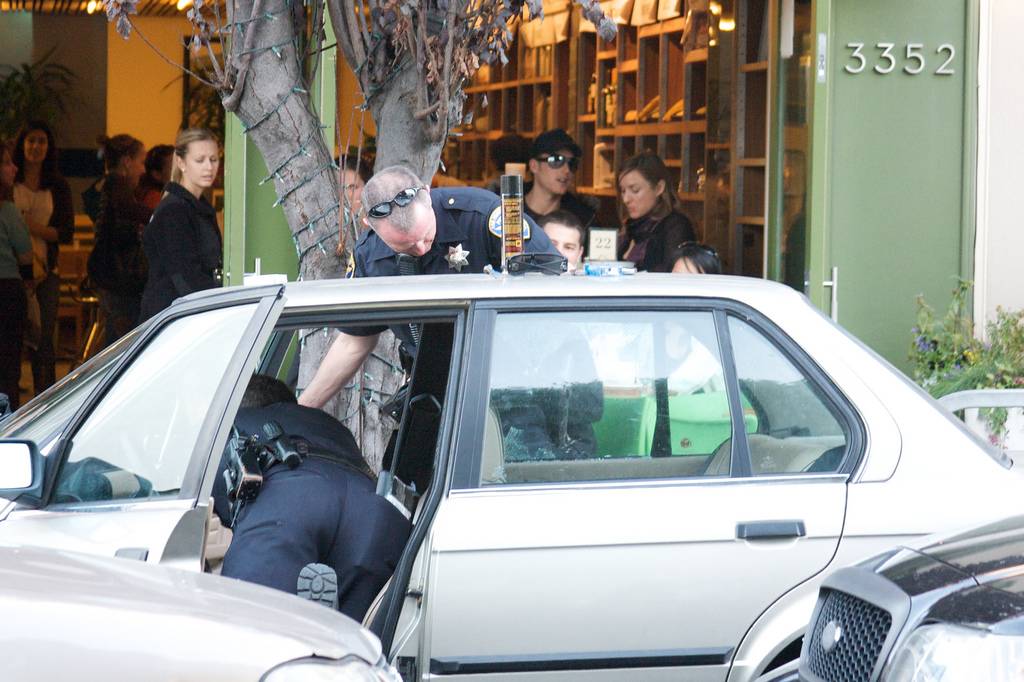
However, the police may execute a search of your person or property without a valid search warrant in the following situations:
- You provide them with consent to do so; or
- You have been arrested and the search is conducted subsequent to your arrest; or
- You have been arrested in a vehicle and the police believe it is lawful to conduct an “inventory” search, or
- You are on probation or parole and as a condition of being on probation or parole you have given up your right to be free from otherwise unlawful searches and seizures of your person or property
There are many restrictions on how and when the police may execute California search warrants. Violations of these rules may result in a reduction or even a dismissal of your criminal charges.
Be sure to visit our section on California Search Warrants for more information about the rules and restrictions for issuing search warrant in California.
Why should you hire a lawyer if you’ve been served with a search warrant?
If you have been served with a search warrant, it is critical that you contact an attorney at Wallin & Klarich immediately. Any lawfully seized evidence may be used against you in a criminal case. If any part of the search was unlawful, the attorneys at Wallin & Klarich can file a motion to suppress evidence on your behalf. If granted, the prosecution will be prohibited from using the seized evidence against you at trial.
With offices in Orange County, Los Angeles, San Diego, Riverside, San Bernardino, Ventura, West Covina and Victorville, the California criminal defense lawyers at Wallin & Klarich have successfully represented clients for over 40 years. We have the knowledge and experience to help you win your case.
Call (877) 4-NO-JAIL or (877) 466-5245 today for a free consultation. We will be there when you call.