Navigating California DUI Laws: What You Need to Know
Driving under the influence (DUI) is a serious offense in California, with potentially life-altering consequences. California has some of the strictest DUI laws in the country, designed to ensure public safety and penalize impaired driving. This post will walk you through California DUI laws, the legal process, and what to expect after a DUI arrest.
Our experienced criminal defense attorneys at Wallin & Klarich can guide you through the legal process. Call Wallin & Klarich today toll-free at (877) 466-5245 for your free phone consultation with one of our DUI attorneys near you.
What Are California DUI Laws?
California's DUI laws prohibit anyone from driving under the influence of drugs or alcohol. The purpose of these laws is simple but vital—to protect citizens from the dangers of impaired drivers on the road. However, the severity of the consequences you face depends on the specifics of your case, including whether it's your first offense or if injuries or damages were involved.
A DUI charge can be issued under one of two circumstances in California:
- If your Blood Alcohol Concentration (BAC) exceeds legal limits (discussed below), or
- If you’re found to be impaired to the point of being unable to operate a vehicle safely, even if you’re under the legal BAC limit.
DUIs are considered both traffic and criminal offenses under California law, meaning potential consequences can include fines, license suspension, and even jail time.
What Is the Legal BAC Limit in California?
California's legal BAC limits depend on the driver's age, license type, and the kind of vehicle being driven. Here’s how it breaks down:
- 0.08% or higher for drivers aged 21 and over operating standard vehicles.
- 0.04% or higher for commercial vehicle drivers.
- 0.01% or higher for drivers under the age of 21 (under California’s Zero Tolerance policy).
These thresholds mean that even a small amount of alcohol can result in a DUI if you’re a commercial or underage driver. Law enforcement measures blood alcohol levels through breath, blood, or urine tests, and exceeding these limits can lead to immediate arrest.
The DUI Arrest Process
A DUI arrest in California typically follows a structured sequence:
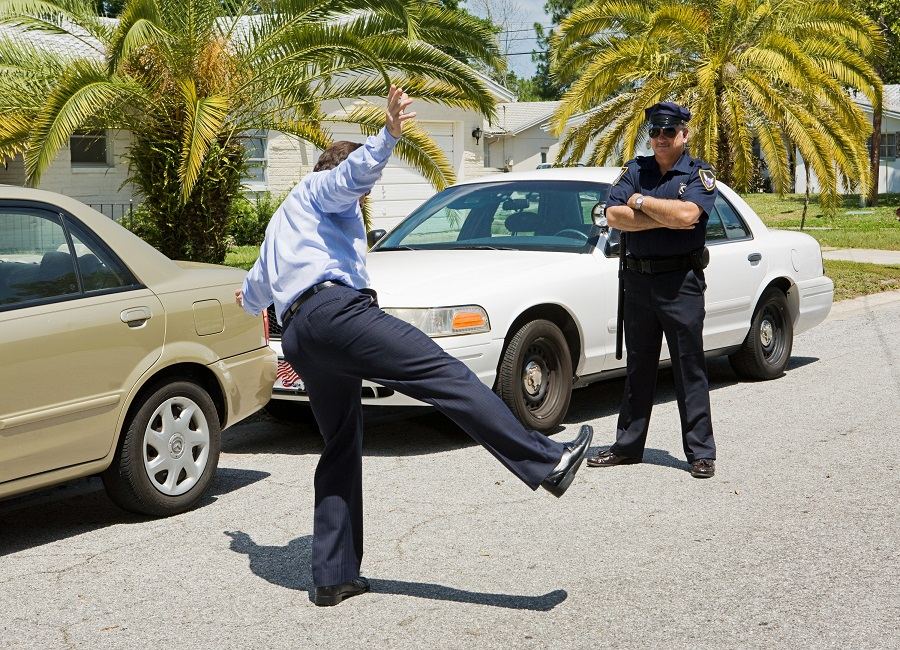
- Field Sobriety Tests (FSTs): If an officer suspects drunk driving, they may conduct field sobriety tests to assess motor skills and impaired behavior.
- Breathalyzer/Blood Testing: You may be asked to take a Preliminary Alcohol Screening (PAS) test (usually a breathalyzer). Refusal can lead to automatic license suspension under California's "implied consent" law.
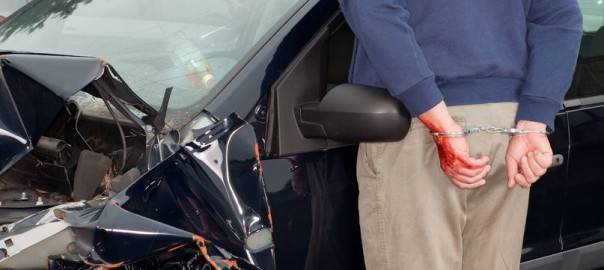
- Arrest and Booking: If your BAC exceeds legal limits or you show significant signs of impairment, you will be arrested and booked.
- DMV Hearing: After your arrest, you'll have 10 days to request a DMV hearing to contest an automatic license suspension. If you don’t request this hearing, your license will be suspended automatically.
Understanding each stage is essential to properly address the charges and protect your rights. Many of the DUI laws in California are complicated. It is very wise to speak to a Wallin and Klarich experienced DUI lawyer before making any decisions on your case.
Penalties for DUI in California
Driving under the influence (DUI) in California carries serious consequences that vary depending on factors such as BAC levels, prior offenses, and whether any injuries or property damage occurred. Common penalties include:
- First Offense: A first-time DUI conviction typically results in fines ranging from $390 to $1,000 plus “penalty assessments” that can add up to another $1,000 to the fine. In addition you can receive probation for up to three years, and mandatory participation in a DUI education program. Drivers may also face a license suspension of up to six months.
- Second Offense: A second DUI offense within ten years leads to increased penalties, including fines, a two-year license suspension, mandatory installation of an ignition interlock device (IID), and a longer DUI education program.
- Third or Subsequent Offenses: For repeat offenders, penalties escalate further. This includes longer jail time, higher fines, a three-year license suspension, and mandatory IID installation.
More severe consequences, such as felony charges, significant fines, or state prison sentences, may apply if the DUI results in injury, death, or multiple offenses. Additionally, refusing a chemical test can lead to automatic license suspension and additional penalties under California’s "implied consent" law. Understanding these penalties underscores the importance of responsible driving and seeking legal counsel when faced with DUI charges.
People V. Billy
In January 2023, Anthony Jordan Billy entered a no-contest plea to a charge of driving under the influence, acknowledging a prior DUI conviction within the past decade. By June 2023, he faced another DUI charge, and in August, he again pleaded no contest, admitting to the related allegations. The trial court accepted his plea, clarifying that Billy could fulfill his 180-day jail sentence in a residential treatment program if he pled guilty or no contest. However, the probation officer's presentence report indicated that the law did not permit the jail sentence to be served in such a facility. Following a hearing, the court concurred and allowed Billy to withdraw his plea. Subsequently, Billy agreed to a revised plea deal, which placed him on probation for five years and required him to serve 180 days in jail, with the possibility of serving the jail term in a residential treatment program if approved by the court. The trial court deferred the imposition of his sentence to enable Billy to appeal the decision regarding serving his sentence in a treatment facility.
The appeals court affirmed the trial court’s decision in part. Under Vehicle Code Section 23152, driving under the influence of alcohol is prohibited, and related statutes enforce progressively stricter penalties for repeat offenders. Under Section 23550, individuals convicted of three or more DUI offenses within 10 years face a mandatory jail term ranging from 180 days to one year. Additionally, Section 23552 mandates that as a condition of probation, the trial court must order the offender to serve at least 180 days in a county jail, in conjunction with the conditions outlined in Section 23600 and any other terms imposed by the court. Section 23600 further specifies that the court cannot waive the requirement for the offender to serve the minimum period of confinement. Therefore, the statutory framework explicitly requires trial courts to impose a jail sentence of no less than 180 days for defendants with three DUI convictions. In this case, Billy's no-contest plea to a third DUI offense obligated the trial court to sentence him to a minimum of 180 days in jail, as prescribed by law.
By reading the above example anyone can see that prosecutors take DUI cases very seriously in California. It is not a wise decision to go to court on your own without hiring a DUI defense lawyer who has experience in defending people in the exact court where your case is pending.
The Significance of Hiring a DUI Attorney
Facing a DUI charge without legal representation can be overwhelming. A skilled DUI attorney can provide critical assistance by:
- Ensuring your legal rights are protected during the arrest and trial processes.
- Analyzing the evidence, including potential errors in BAC testing or officer procedures.
- Negotiating with prosecutors for reduced charges or penalties, such as a “wet reckless” plea bargain.
- Representing you in court, should your case go to trial.
A criminal defense attorney experienced in California DUI laws will understand the nuances of your case and increase your likelihood of a favorable outcome.
Contact Wallin & Klarich Today
If you are facing DUI charges, you need to contact our aggressive attorneys at Wallin & Klarich immediately. With 40+ years of experience, our attorneys at Wallin & Klarich have helped many clients avoid criminal convictions and kept them free from serving prison or jail sentences. We also have helped many people preserve their driving privilege when the Department of Motor Vehicles is trying to suspend or revoke their license. We know the most effective strategies to argue for you, and we will do everything we can to help you achieve the best possible result in your case.
Wallin & Klarich has offices throughout Southern California including Irvine, Pasadena, Riverside, San Bernardino, San Diego, Torrance, Victorville, West Covina, and Anaheim. Also, our law firm can handle many types of criminal cases statewide.
Discover how our team can assist you. Contact us today, toll-free at (877) 466-5245 for a free phone consultation with a skilled DUI defense attorney near you.