

California Gun Laws Face Constitutional Challenges: What Could This Mean for People Facing Gun Charges?
California Gun Laws Face Constitutional Challenges: What Could This Mean for People Facing Gun Charges? California has some of the strictest gun laws in the country. Now, some of those laws are being challenged in federal court. For people who have been arrested or charged with a gun crime, these cases could be important. If a court decides that a particular gun law violates the Second Amendment, that decision could…
Read More
Appeal Court Reverses Murder Conviction After Jury Confusion Over Self-Defense Instructions
Appeal Court Reverses Murder Conviction After Jury Confusion Over Self-Defense Instructions When a person is convicted at trial, the fight for justice does not necessarily end. California law allows individuals to challenge convictions through appeals and writs when legal errors may have affected the outcome of their case. A recent decision in People v. Brim highlights how mistakes made during jury deliberations can result in a conviction being overturned. Our…
Read More
Court Rules Misdemeanor Case Must Be Dismissed When Jury Trial Did Not Begin Within 45 Days
Court Rules Misdemeanor Case Must Be Dismissed When Jury Trial Did Not Begin Within 45 Days If you are facing misdemeanor charges in California, you have an important constitutional and statutory right to a speedy trial. A recent California case, Nuanmanee v. Superior Court, reinforces that courts cannot delay your trial beyond the legal deadline simply because of scheduling policies or administrative convenience. Our experienced criminal defense attorneys at Wallin…
Read More
Racial Bias in the Jury Room Can Destroy a Fair Trial: Why a Conviction Was Reversed in U.S. v. Sanchez
Racial Bias in the Jury Room Can Destroy a Fair Trial: Why a Conviction Was Reversed in U.S. v. Sanchez One of the cornerstones of the American criminal justice system is the right to a fair trial before an impartial jury. Every accused individual, regardless of race, ethnicity, or background, is entitled to have his or her guilt or innocence determined solely on the evidence presented in court. Unfortunately, racial…
Read More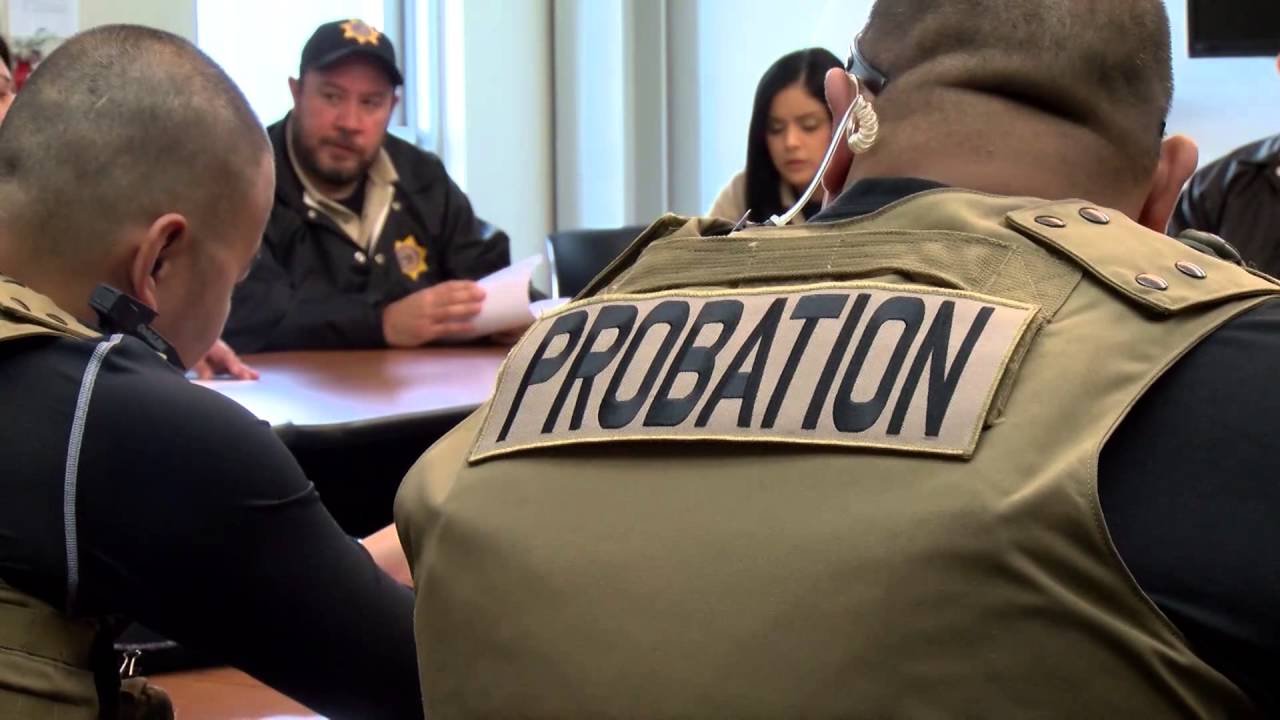
Can a Probation Officer Send You to Jail for Violating Probation — or Does Only the Court Have That Power?
Can a Probation Officer Send You to Jail for Violating Probation — or Does Only the Court Have That Power? Many accused individuals on probation believe that if a probation officer says they violated probation, they can automatically be sent to jail. That is not how the law works. A recent California case, People v. Emrick, made clear that probation officers cannot be given unlimited authority to punish someone on…
Read More
California Supreme Court Limits Felony Murder Liability for Non-Killers in People v. Morris
California Supreme Court Limits Felony Murder Liability for Non-Killers in People v. Morris The California Supreme Court recently issued a major decision in People v. Morris that could significantly affect individuals accused of aiding and abetting a homicide during the commission of another crime. For years, prosecutors relied heavily on California’s felony murder rule to charge non-killers with murder, even when they never personally caused a death. But the Court’s…
Read More
Proposed Changes To California’s Elderly Parole Program: What It Could Mean For Serious Offenders
Proposed Changes To California’s Elderly Parole Program: What It Could Mean For Serious Offenders California lawmakers are taking a closer look at the state’s elderly parole program, especially when it comes to individuals convicted of serious sex offenses involving children. A new bill, Assembly Bill 2727, is gaining attention as prosecutors and lawmakers debate how to balance rehabilitation with public safety. Our experienced criminal defense attorneys at Wallin & Klarich…
Read MoreWhy a Conviction Isn’t the End: Two Cases That Prove You Should Never Give Up
Why a Conviction Isn’t the End: Two Cases That Prove You Should Never Give Up Being convicted of a crime after a trial can feel like the end of the road. But in reality, it often isn’t. Appellate courts regularly review trial records for serious legal errors, and when those errors affect fairness, convictions can be reversed and cases sent back for a new trial. Two California cases—In re Melson and People…
Read More
Did You Plead Guilty Without Understanding the Immigration Consequences? Lessons from People v. Avena
Did You Plead Guilty Without Understanding the Immigration Consequences? Lessons from People v. Avena If you are not a U.S. citizen and have been accused of a crime, the decisions you make in your case can have permanent consequences. In many situations, a conviction does not just mean jail time or probation—it can lead to deportation, denial of reentry, or being permanently barred from the United States. A California case, People v.…
Read More
How People v. Valencia Could Help Accused Individuals Facing Serious Charges
How People v. Valencia Could Help Accused Individuals Facing Serious Charges At Wallin & Klarich, we often remind clients that even after a conviction, the law still provides important protections during sentencing. Courts must follow strict rules when calculating prison terms, especially in cases involving multiple charges and enhancements. A recent appellate decision, People v. Valencia, shows how sentencing errors can lead to a new sentencing hearing—and potentially a reduced…
Read More