

Do Police Need a Warrant to Search My Hotel Room?
The 4th Amendment protects citizens from unreasonable searches and seizures. In order for the 4th Amendment to apply though, you must have a reasonable expectation of privacy in the place being searched. It is clear that you have a reasonable expectation of privacy in your own home.
The U.S. Supreme Court and California have said that you also have a reasonable expectation of privacy in hotels and motel rooms, although a limited one. 1
Reasonable Expectation of Privacy in Hotels
Because you generally have a reasonable expectation of privacy in your hotel or motel room, the 4th Amendment applies and police generally need a warrant to search your hotel room.
California courts have said that your privacy interest generally expires by checkout time when communicated by the hotel, but may extend past that depending on hotel policies and routine practices. 2 Whether or not it extends past checkout depends on the facts and circumstances of each case. 3
In addition, if you violate hotel policy or rules or they suspect illicit activity, you may be evicted from your hotel room thus losing your privacy interest. 4
Warrantless Searches
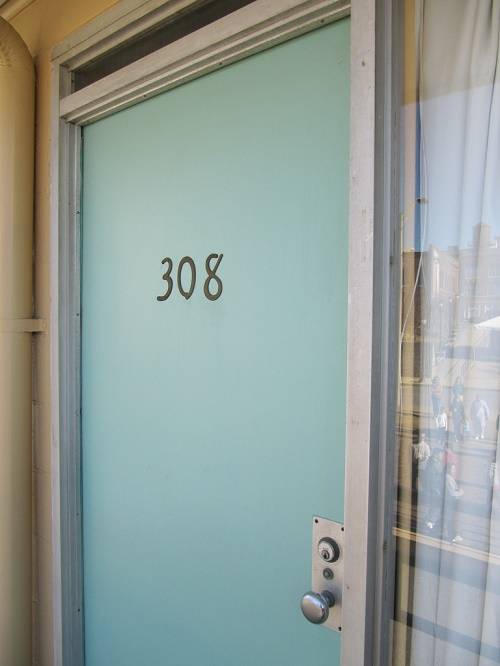
When you have no privacy interest at all, police do not need a warrant to search your hotel room.
Even if under the circumstances you do have a privacy interest, police may nevertheless perform a warrantless search of your hotel room if an exception to the warrant requirement applies—and there are many. For example, if you give the police consent to search your room or to enter the room and police see illegal contraband in plain view, no warrant is required.
Hotel employees cannot enter to search your personal effects for contraband nor do they have your implied permission to give consent to the police to enter for such a search. 5 This means that if you leave illegal contraband in plain view and the cleaning crew sees it, they cannot call the cops and legally give them consent to search your room. What can happen is that they can report it to the hotel manager, who in turn can ask you to leave the hotel due to a violation of policy, which would cause you to lose your privacy interest. If you refuse to leave, you are now a trespasser and the hotel manager can call law enforcement and give them permission to enter and search the room.
Ways to Protect Your Right to Privacy When Staying at a Hotel
Here are some ways you can protect your privacy when staying at a hotel:
- Always find out when check out time is at your hotel and assume that you have no privacy interest past that time.
- Never give the police permission to enter your hotel room and don’t open the door if they knock.
- If police are at your door knocking, you are not required to say anything; in fact, any noise you make may give them good reason to believe that you are destroying possible evidence, which may allow the police to enter without your permission and without a warrant.
- Never leave any illegal contraband in plain sight.
- Use the hotel safe to store anything you do not wish others to see.
- Do not give the hotel any reason to lawfully evict you.
Call the Criminal Defense Attorneys at Wallin & Klarich

If you or a loved one has been charged with a crime and you believe your rights were violated, you need to contact an experienced Wallin & Klarich criminal defense attorney immediately.
At Wallin & Klarich, our skilled attorneys have been successfully defending clients facing criminal charges for over 40 years. We will meet with you immediately to review the facts of your case and plan a defense strategy that will help you get the very best outcome possible.
With offices located in Los Angeles, Sherman Oaks, Torrance, Orange County, San Diego, Riverside, San Bernardino, Ventura, West Covina and Victorville, there is an experienced Wallin & Klarich criminal defense attorney available to help you no matter where you work or live.
Call us today at (877) 4-NO-JAIL or (877) 466-5245 for a free phone consultation. We will be there when you call.
1. [Stoner v. State of Cal. (1964) 376 U.S. 483, 484]↩
2. [U.S. v. Dorais (9th Cir. 2001) 241 F.3d 1124]↩
3. [Id.]↩
4. [http://www.riddelllaw.com/police-cant-search-hotel-room-without-consent/]↩
5. [People v. Superior Court (1970) 3 Cal.App.3d 648, 654.]↩


If You "make any noise"...they can claim that you're trying to destroy "evidence"...when they have no reasonable suspicion that a crime has been committed in the first place? That's insane.