

Meth Charges Prosecution – California HS 11377(a) Drug Possession Lawyers
If you are facing meth charges in California for possession of methamphetamine (HS 11377), it is important to understand what this crime entails. The Wallin & Klarich drug possession lawyers in California want to share with you what the prosecution needs to prove in order to convict you of this offense.
Possession of methamphetamine under the California Health and Safety Code 11377 HS

Possession of methamphetamine is covered by California Health and Safety Code 11377 HS. In order to convict you of possession of methamphetamine under California Health and Safety Code 11377 HS, the prosecution must prove the following:
- You unlawfully possessed a controlled substance AND
- You knew of its presence AND
- You knew of the substance’s nature or character as a controlled substance AND
- The controlled substance was methamphetamine AND
- The controlled substance was in a usable amount
Possession
In order to convict you of possession of methamphetamine under California Health and Safety Code 11377 HS, the prosecution must prove that you had actual possession. The easiest way to prove this is when the methamphetamine was actually found on your person by a law enforcement officer. However, you not have to actually hold or touch something in order to possess it. It is enough if you have control over it either personally or through the use of another person. Therefore, if you give your friend some of your methamphetamine to hold onto for safekeeping, you can still be charged with possession due to the fact that you retained the right to control the drug and its use.
Controlled substance
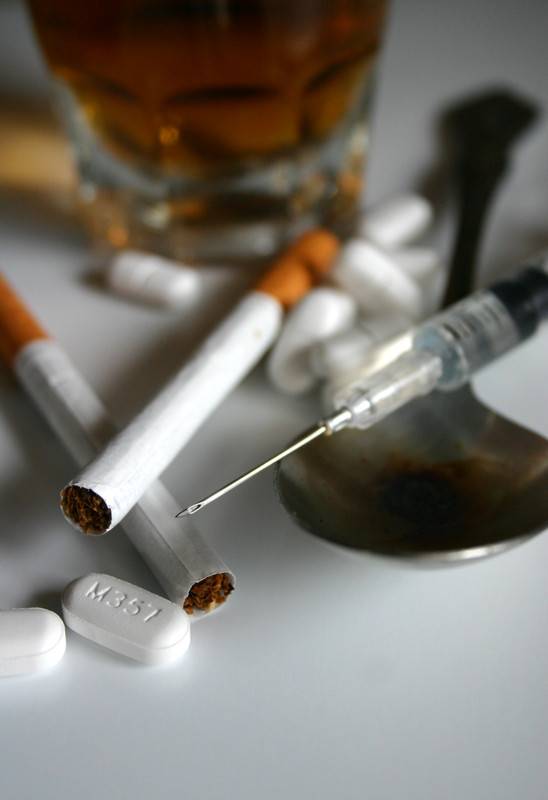
A controlled substance is any drug or chemical whose manufacture, possession and use are regulated by the government under the United States Controlled Substances Act. This federal statute allows the government to regulate almost any form of narcotic that has the potential to make its way through interstate commerce.
Methamphetamine is considered a controlled substance under this regulatory scheme along with many other illegal drugs such as heroin, cocaine, LSD, and marijuana. The prosecution will typically use laboratory tests showing the chemical makeup of the substance and expert witness testimony to prove that the substance is in fact methamphetamine.
Knowledge
In order to convict you of meth charges under California Health and Safety Code 11377 HS, the prosecution must prove that you knew the character or nature of the substance you possessed as a controlled substance. In other words, the prosecution must prove that you knew the substance you possessed was capable of being used as a narcotic as regulated under the United States Controlled Substances Act.
This does not mean that the prosecution must prove that you knew the substance was methamphetamine. In fact, the prosecution is not required to prove that you knew which specific controlled substance you possessed, but only that you knew of its nature and character.
Usable amount
A usable amount is defined as any quantity that is enough to be used by someone as a controlled substance. Useless traces or debris are not considered “usable amounts” because they are not likely to be used in the manner prohibited by the California Health and Safety Code. However, a usable amount does not need to be enough, in either amount or strength, to affect your disposition upon its use.
Contact an attorney at Wallin & Klarich if you are facing meth charges in California

If you or someone you know has been charged with possession of methamphetamine in California, you need to contact an experienced drug possession lawyer who is dedicated to giving you the best representation possible. With offices in Orange County, Los Angeles, San Diego, San Bernardino, Riverside, Ventura and Victorville, Wallin & Klarich has successfully represented clients facing charges of possession of methamphetamine in California for over 40 years. Drawing from extensive experience, our talented defense lawyers will thoroughly review your case and develop an effective defense strategy to win your case.
Call us today at (877) 4-NO-JAIL or (877) 466-5245 or fill out our intake form. We will be there when you call.