

Possession of Marijuana for Sale - 11359 HS
What is Possession of Marijuana for Sale?
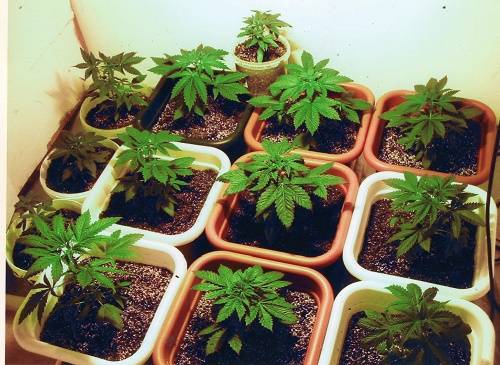
Possession of marijuana for sale is covered by California Health and Safety Code 11359. In order to convict you of possession of marijuana for sale under 11359 HS, the prosecution must prove that you unlawfully possessed a controlled substance, you knew of its presence, you knew of the substance’s nature or character as a controlled substance, when you possessed the controlled substance you intended to sell it, the controlled substance was marijuana, and the controlled substance was in a usable amount.
The key issues that the prosecution must prove are whether you had actual possession of the marijuana and whether you intended to sell it rather than possess it for your own personal use.
Defenses to a Charge of Possession for Sale California
There are a number of defenses that a drug possession attorney at Wallin & Klarich can raise on your behalf. Your attorney can argue that you lacked possession or control of the marijuana, you only had momentary possession, you lacked knowledge that the substance you possessed was a controlled substance, you had a valid prescription, you lacked the intent to sell or that the police failed to follow required procedures during your arrest or seizure of the marijuana.
Each of these defenses may possibly be raised depending upon the facts of your individual case. Be sure to consult a drug possession lawyer at Wallin & Klarich to learn more.
Punishment and Sentencing for HS 11359
Unlike simple possession which can be charged as either a misdemeanor or felony depending upon the circumstances of your case, possession of marijuana for sale is always charged as a felony. If you are convicted of possession of marijuana for sale under 11359 HS, you face a sentence of 16 months, 2 or 3 years in county jail and a maximum fine of $10,000.
Possession of Marijuana for Sale FAQ’s
To help you understand the various aspects of a possession of marijuana for sale charge under 11359 HS, our attorneys at Wallin & Klarich have provided answers to some of the most commonly asked questions in our FAQ section. There, you can find answers to questions like:
- How will the prosecution try to prove that I had marijuana in my possession?
- I had marijuana on me, but it was for personal use. Can I be charged with possession for sale?
- Can an attorney help reduce my possession of marijuana for sale charge to a lesser offense?
Where can I Find the Most Experienced Possession of Marijuana for Sale Defense Attorneys in California?
If you are confronted with accusations of possession of marijuana for sale under 11359 HS, it is essential that you contact an experienced California defense lawyer who is familiar with such cases.
With offices in Orange County, Los Angeles, San Diego, Riverside, San Bernardino, Ventura, West Covina and Victorville, Wallin & Klarich has successfully represented clients facing possession of marijuana for sale charges for over 40 years. We have the knowledge and the know-how to win your case.
Call us today at (877) 4-NO-JAIL or (877) 466-5245. We will be there when you call.