

Felony Sentences: Probation and Concurrent Sentence vs. Consecutive Sentence
If you are convicted of a felony crime in California, there are number of ways you could be sentenced. You might be placed on felony probation as part of your sentence. You also could face jail time, and depending on several factors, you could face a concurrent sentence or consecutive sentence.If you are convicted of a felony crime in California, there are number of ways you could be sentenced. You might be placed on felony probation as part of your sentence. You also could face jail time, and depending on several factors, you could face a concurrent sentence or consecutive sentence.
When you are accused of a felony crime in California, it is important that you understand these felony sentencing rules. What are the felony probation eligibility requirements? What does “concurrent sentence” mean? Will you face a concurrent sentence or consecutive sentence?
Our skilled criminal defense attorneys at Wallin & Klarich have been successfully defending clients facing charges for more than 40 years. We have a deep understanding of the law regarding felony sentences. Let’s take a look at how different felony sentences work.
Felony Probation Eligibility in California
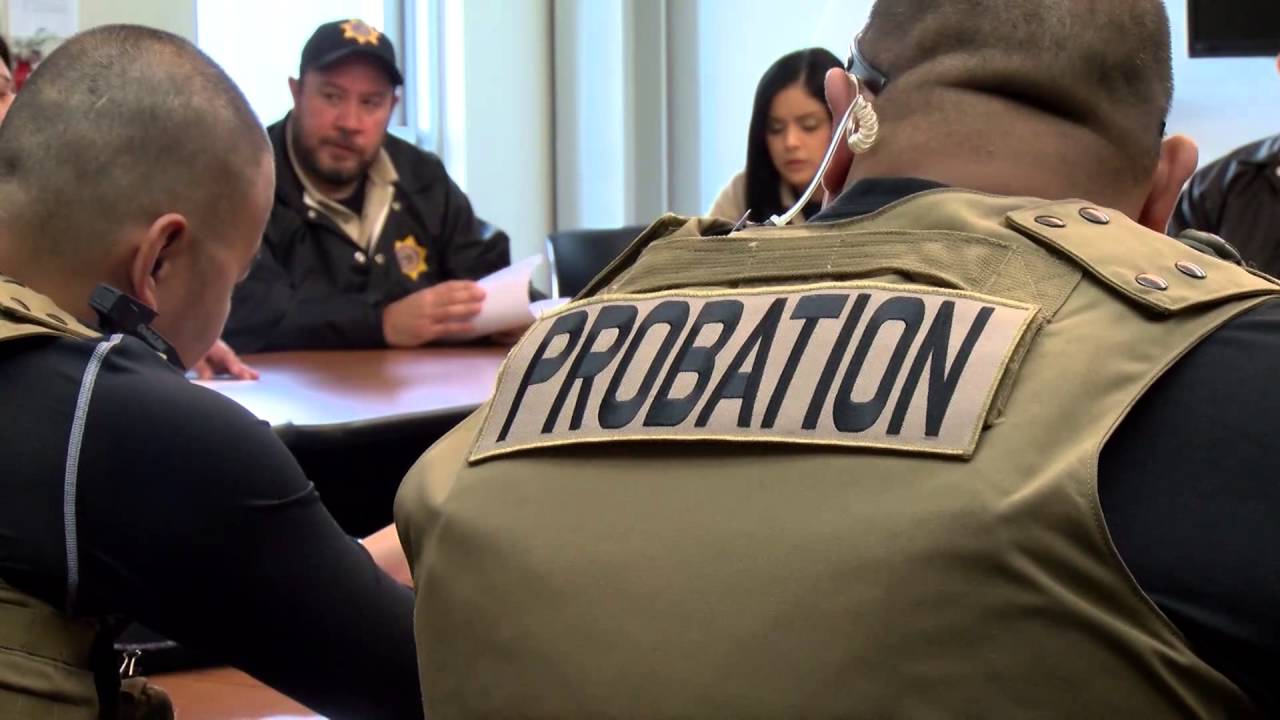
Many people who are convicted of a felony want to know if they can receive probation rather than going to jail or prison. In some cases, you could be eligible for probation. For a felony offense, probation comes in the form of a “suspended sentence.”
In these cases, you are granted probation instead of serving jail or prison time provided that you successfully complete the terms of your probation. If you fail to comply with your felony probation, you could be ordered to a severe jail or prison term.
The court will look at many factors when determining whether to grant you probation.
California Felony Probation Rules
Under California Penal Code Section 1170(a), the court can look at a number of factors to determine whether a person convicted of a felony offense will be granted probation.
According to California Rules of Court, Rule 4.414, the court will look at a number of facts related to the case when determining probation eligibility. Those facts include:
- The nature, seriousness and circumstances of the crime as compared to other instances of the same crime
- Whether you were armed with or used a weapon
- The vulnerability of the victim
- Whether you inflicted physical or emotional injury
- The degree of monetary loss to the victim
- Whether you were an active or a passive participant
- Whether the crime was committed because of an unusual circumstance, such as great provocation, which is unlikely to recur
- Whether the manner in which the crime was carried out demonstrated criminal sophistication or professionalism on your part, and
- Whether you took advantage of a position of trust or confidence in order to commit the crime
The judge will also consider factors regarding the defendant. These facts include:
- Your prior record of criminal conduct, whether as an adult or a juvenile, including the recency and frequency of prior crimes; and whether the prior record indicates a pattern of regular or increasingly serious criminal conduct
- Your prior performance on probation or parole and present probation or parole status
- Your willingness to comply with the terms of your probation
- Your ability to comply with reasonable terms of probation as indicated by your age, education, health, mental faculties, history of alcohol or other substance abuse, family background and ties, employment and military service history, and other relevant factors
- The likely effect of imprisonment on you and any of your dependents
- The adverse collateral consequences on your life resulting from the felony conviction
- Whether you have remorse for your actions, and
- The likelihood that if not imprisoned you will be a danger to others
The court may also consider additional factors when determining circumstances in aggravation or mitigation in your case (California Rules of Court, Rules 4.421 and 4.423).
What are the Chances I Will Receive Felony Probation in California?
Based on the factors listed above, the court compares your situation with the typical circumstances surrounding others who have committed the same crime. When determining your probation eligibility, the court places great weight on your criminal record, if any. Judges are less likely to grant you probation if you have demonstrated a pattern of criminal behavior.
Courts also consider other statutory factors when determining your sentence, including the aggravating and mitigating factors of your particular crime. In addition, in some situations, courts may have more limited discretion in determining your sentence, such as cases involving certain acts of violence.
California Felony Sentencing: How Will I Be Sentenced?

If you are not statutorily eligible for probation or probation has been denied, you may be sentenced to prison. How you will be sentenced is based on factors including the circumstances of your case and your prior criminal history.
In most felony cases, there are three terms a judge can choose: a lower term, a middle term and a lower term. Under California Penal Code Section 1170(a), if the crime you committed is more violent, brutal, dangerous or offensive in nature than the typical crime, a court will likely sentence you to the maximum prison term. Conversely, if circumstances make the crime less brutal or offensive than usual or other circumstances suggest that the crime was highly out of character for you, the court may consider the lesser term or probation.
If you are convicted of more than one crime, the sentencing court has discretion to sentence you to either a consecutive or a concurrent sentence.
So, now you may be wondering:
- What does “concurrent sentence” mean?
- How is a concurrent sentence different from a consecutive sentence?
- Which type of felony sentence will I face?
Let’s look deeper into these types of sentencing options for felony offenses in California.
What Does Concurrent Sentence Mean?
A concurrent sentence means that you are required to serve multiple sentences at the same time. For example, let’s say that you are convicted of two felony crimes that occurred during the same incident, and you receive a sentence of 8 years in prison for each of these felony crimes. If you receive a concurrent sentence, you will only have to serve a maximum of 8 years in prison rather than a full 16 years (minus any good behavior credits you receive) because both of your sentences are running concurrently. This means that you are serving time for both crimes at the same time, and you will be released from custody when the longest sentence has elapsed.
Any concurrent sentence you may be required to serve will be reduced by any good time credits you receive while incarcerated. This means you may not be required to serve the entire concurrent sentence if you receive good time credit. If the court does not state whether your sentences will run concurrently or consecutively, the sentences are presumed to run concurrently under California Penal Code Section 669.
What Does Consecutive Sentence Mean?
A consecutive sentence is the opposite of a concurrent sentence. It means that each of your sentences must be served individually. In most cases, that means you serve one sentence, then immediately begin serving the sentence for the other crimes you were convicted of.
What is Good Time Credit? (PC 2933)
Under California Penal Code Section 2933, you are entitled to receive “good time credit” (also called “work time credit”) depending on the nature of the crime you were convicted of. Good time credit goes toward your sentence, meaning you will not have to serve the entirety of your sentence if you behaved well during your imprisonment.

California Penal Code Section 2933(b) states that you can be awarded credit reductions from your sentence term for every six months of continuous incarceration that you have exhibited good behavior or have complied with certain rehabilitative requirements. In some instances, you may be able to earn enough good time credit to serve only half of your imposed sentence. Whether you have to serve 50 percent of your sentence or a higher percentage will depend upon the specific crime you were convicted of committing.
Good time credit works different for violent felonies, such as rape, first-degree burglary and child molestation. If you were convicted of a crime that is considered a violent felony in California, you can only receive up to 15 percent good time credit under California Penal Code Section 2933.1. This means you will be required to serve at least 85 percent of your sentence if you are convicted of a violent felony.
If you have been convicted of murder under California Penal Code Section 187 or if you have been previously convicted of two or more felonies, you will not be allowed to gain work credit and may be required to serve your entire sentence (PC 2933.2).
Concurrent Sentence vs Consecutive Sentence: Which Will the Court Impose?
Under California Rules of Court Rule 4.425(a), the court will consider the following circumstances when determining whether to impose a consecutive or concurrent sentence upon you:
- Facts relating to the crimes, including whether or not:
- The crimes and their objectives were predominantly independent of each other
- The crimes involved separate acts of violence or threats of violence, or
- The crimes were committed at different times or separate places rather than being committed so closely in time and place as to indicate a single period of aberrant behavior
- Facts relating to the defendant, including:
- Whether you have engaged in violent conduct that indicates a serious danger to society
- Whether your prior convictions as an adult or sustained petitions in juvenile delinquency proceedings are numerous or of increasing seriousness
- Whether you have served a prior prison term
- Whether you were on probation or parole when the crime was committed, and
- Whether your prior performance on probation or parole was unsatisfactory
In addition to these factors, the court may consider aggravating or mitigating circumstances when determining whether to hand down a consecutive or concurrent sentence (JCR 4.425(b)).
Also, the court must consider California Penal Code Section 654, which states that if one act violates multiple laws, you can be convicted of multiple crimes but you can only be subject to one sentence for that act (JCR 4.424).
How Can a Criminal Defense Lawyer Help Me During Felony Sentencing?
If you are convicted of a felony, it is easy to think that you are done. You may believe that your case is now closed and you are preparing to take whatever punishment the court hands down. However, that is not what you should do.
An experienced criminal defense attorney may be able to help you obtain a favorable sentence. When your future is at stake, you should put your trust in an experienced criminal defense attorney to fight aggressively for you at your felony sentencing hearing.
When the court is deciding whether a concurrent or consecutive sentence should be imposed, your criminal defense attorney can help by filing a Statement of Mitigation. This statement is prepared by your defense lawyer after your probation officer files a report with the court and sends it to both the defense counsel and the prosecution. The probation officer is required to send this report at least nine days prior to your sentencing hearing (PC 1203).
The defense and prosecution may then use the report and the information included to file either a Statement of Mitigation or a Statement of Aggravation with the court that argues what sentence is appropriate given the circumstances of your crime. Your criminal defense attorney will prepare a Statement of Mitigation that will present evidence to the court that a concurrent sentence or lesser sentence is more appropriate in your case.
How to Find a Felony Lawyer Near Me

If you are facing felony charges, it is vital that you contact an experienced criminal defense attorney immediately. Our attorneys at Wallin & Klarich have more than 40 years of experience successfully defending person accused of felonies in California. Our lawyers can explain California felony sentencing laws to you and defend you zealously so that you can obtain the best possible outcome in your case.
With offices in Orange County, Riverside, San Bernardino, Victorville, West Covina, Torrance, Los Angeles and San Diego, our experienced felony defense attorneys are available to help you no matter where you work or live.
Contact our law firm today at (877) 4-NO-JAIL or (877) 466-5245 for a free phone consultation regarding your case. We will get through this together.