

Possession of a Controlled Substance Sentencing and Punishment | HS 11350
Sentencing and punishment for possession of a controlled substance – explained by California criminal defense attorneys at Wallin and Klarich
Punishment for felony possession of a controlled substance
According to California Health and Safety Code section 11350, possession of a controlled substance is charged as a misdemeanor punishable by up to 364 days in county jail followed by a period of probation or parole.
Court options at the time of sentencing
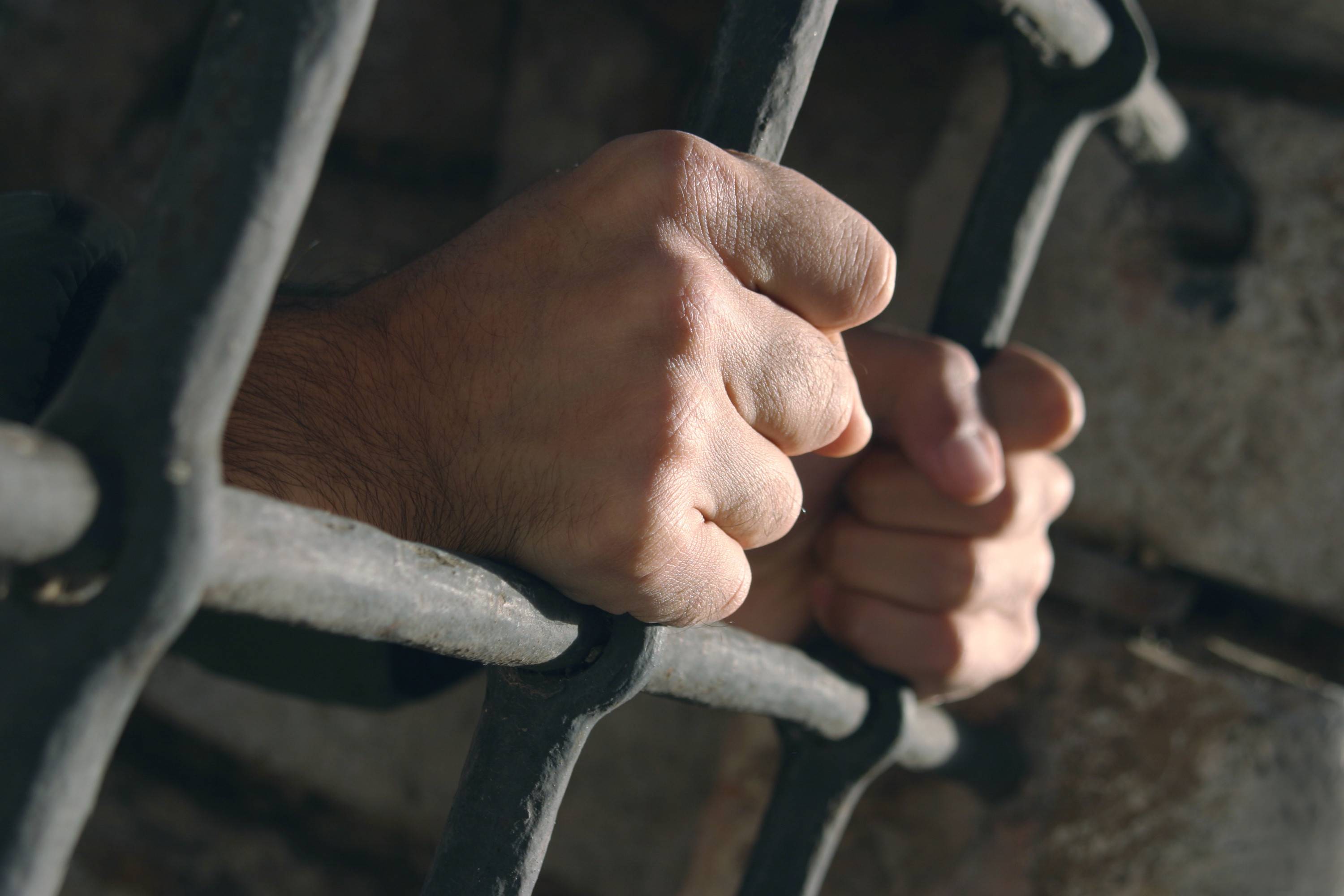
If you are convicted of possession of a controlled substance, the court has discretion in determining your punishment depending on the circumstances of your case. The court has the following options at time of sentencing:
- The court can sentence you to 364 days in county jail
- Place you on probation and impose a sentence of up to one year in county jail
- Place you on probation with no jail time, but order you to do community service, a work release program and attend drug counseling or substance abuse classes
- Place you on formal probation and assign you a probation officer
- Offer you a drug diversion program and upon its successful completion, your case can be dismissed (see California Penal Code section 1000)
Probation terms
When you are placed on probation the court will impose specific terms of probation that apply to the crime for which you were convicted. These terms of probation will include:
- Violate no law (other than a traffic infraction)
- Visit your probation officer as often as required by your probation terms
- Perform community service
- Attend drug counseling or drug diversion programs pursuant to California Penal Code section 1000 (if you qualify) or Proposition 36
- Random drug testing
- Impose a fine of at least $1,000 for a first offense under Health and Safety Code section 11350
- Impose a fine of at least $2,000 for a second offense under Health and Safety Code section 11350
These are only a few of the probation terms that a court can impose. If you are found to be in violation of any of these terms, the court can sentence you to the maximum time allowed by law.
Finding an experienced drug possession defense attorney at Wallin & Klarich

The sentencing and punishment for possession of a controlled substance can be severe and potentially life changing. If you or someone you know has been accused of cocaine possession or possession of any controlled substance, you need to contact an experienced California criminal defense lawyer who will carefully review the facts and the law to give you the best representation possible. With offices in Orange County, Los Angeles, San Diego, Riverside, San Bernardino, Ventura, Victorville and West Covina, Wallin & Klarich has over 40 years of experience in defending our clients against charges of possession of a controlled substance. We will carefully review the evidence against you and help you win your case.
Call us today at (877) 4-NO-JAIL or (877) 466-5245. We will be there when you call.
