

Child Dependency Attorneys in California
Do you want to lose custody of your child for the rest of your life? How would you feel if your child was taken away from you and forced to live in a foster home? That is what’s at stake in a child dependency case in California. If you are involved in a child dependency case and you are not prepared to handle it the right way, you could lose your child forever. That is why you should seek the help of an experienced child dependency lawyer immediately.
Our experienced attorneys at Wallin & Klarich have been representing clients in child dependency cases for more than 40 years. We understand what it takes to obtain a favorable outcome in a child dependency case. Read below for more information on how our skilled lawyers handle California child dependency cases.
If you have a pending child dependency matter, you should contact our law firm at (877) 466-5245 right away for free, immediate advice from an expert California child dependency lawyer.
Why Hire Wallin & Klarich?

The success of our criminal defense law firm has helped us achieve the highest merits in the legal industry, including a 5 out of 5 AV rating on Lawyers.com, a 10 out of 10 rating on AVVO.com, and an A+ rating from the Better Business Bureau.
For over 40 years, the California child dependency lawyers at Wallin & Klarich have helped many people like you get the best results in their case. Here are just a few testimonials provided by some of our past clients:
“As a parent, potentially losing my child was the most devastating time of my life. I could not live with myself if my child were taken to live in a foster home. I had no idea where to turn, but then I found the law firm of Wallin & Klarich while doing some research online. I called Wallin & Klarich and it was the best thing I could have done. I knew right away from the first phone call that this law firm knew their stuff when it came to child dependency cases. I did not hesitate to hire this firm, and I do not regret my decision one bit. Wallin & Klarich was there to help me and ease my anxiety throughout the entire experience. At the hearing, my lawyer did an amazing job, and I was able to keep custody of my child. My family is whole only because of the hard work of the attorneys at Wallin & Klarich.”
-S.W.
“I was facing a child dependency case and I called Wallin & Klarich law firm. I was treated with amazing service from the very first phone call I made and throughout the entire case. Wallin & Klarich got to work on my case immediately and prepared for the court hearing. Before I knew it, my case was over and my parental rights were restored. I’d like thank you, Wallin & Klarich, for the incredible job you did on my case. My family is very grateful for what you were able to accomplish and how responsive you were to our constant questions. I would highly recommend this firm to anyone who is going through a child dependency matter.”
-B.G.
Call Wallin & Klarich Today
You can place your trust in Wallin & Klarich. Our knowledgeable child dependency lawyers are committed to defending your custodial rights. Call us today for immediate help before you lose your children to the complex legal system.
For more information on child dependency matters in California, read below or simply pick up the phone and speak to one of our lawyers today. Contact our offices at (877) 4-NO-JAIL or (877) 466-5245 for a free telephone consultation.
What is a Child Dependency Case?
In California, the child dependency court exists to protect children from abuse or neglect in their homes. If you are involved in a child dependency case, the court has the ability to take your child out of your care and place them with a family member or in a foster home. You could lose your parental rights in a child dependency case.
So, how does a child dependency case start?

The process begins when you are accused of abusing or neglecting a child in your care. Typically, this happens after a mandated reporter (i.e. a teacher or counselor) believes you have abused or neglected your child and has reported this to the Department of Social Services.
After you have been reported, an investigation by Social Services will begin. An emergency response worker from Social Services will come to your home to determine whether your child is living in an unsafe environment. If it is determined that your child is not safe in your home, your child can be removed from you custody and made a “dependent of the court.
As a parent, having your child taken away from you can be one of the most painful and traumatic experiences in your life. If this happens to you, you need to call an experienced child dependency attorney right away.
When Can Your Child Be Made a Dependent of the Court? (Welfare and Institutions Code 300)
So what does it mean to be a dependent of the court and how does this happen to your child? The rules for when a child becomes a dependent of the court are laid out under California Welfare and Institutions Code 300.
Under this law, your child can be adjudged a dependent of the court if any of the following circumstances have occurred:
- The child has suffered serious physical harm or there is a substantial risk that the child will suffer serious physical harm (WI 300(a))
- The child has suffered (or there is a substantial risk that the child will suffer) serious physical harm or illness due to inadequate supervision or a willful neglect to provide the child with food, clothing, shelter or medical treatment (WI 300(b)(1))
- The child is suffering serious emotional damage (or is at risk of suffering serious emotional damage) due to you not providing appropriate care (WI 300(c))
- The child has been sexually abused or is at risk of being sexually abused (WI 300(d))
- You failed to stop the sexual abuse of your child when you knew about it (WI 300(d))
- The child is under the age of five years old and has suffered severe physical abuse by you or any other person that you knew or should have known was abusing the child (WI 300(e))
- You caused the death of another child through abuse or neglect (WI 300(f))
- The child has been left without any means of support (WI 300(g))
- You have freed the child for adoption for 12 months by losing your parental rights or because your parental rights were terminated (WI 300(h))
- The child has been subject to extreme acts of cruelty in the home (WI 300(i))
What Happens to Your Child During a Child Dependency Case?
As noted above, the main responsibility of the child dependency court is to remove children from environments where they are at risk of abuse or neglect. Therefore, the court is likely to take your child away from you at the outset of a child dependency case.
In fact, the child dependency court can order any of the following actions to take place during your child dependency case:
- Remove your child from your home
- Send your child to live with a close family member or relative
- Place your child in foster care
- Terminate your parental rights
- Order new parental rights that take away some of your time with your child
At Wallin & Klarich, our skilled child dependency lawyers believe that the best thing for a child is to be with his or her parents, as long as he or she is in a safe environment. Therefore, our lawyers will fight for you in the child dependency court in the hopes that you can keep custody of your children.
The Child Dependency Process in California
The child dependency process in California is extremely complex and involves many different stages. First, it involves your child being taken from your custody and being deemed a dependent of the court. The emergency responder who came to your home and determined your child should be removed from your care will file a petition with the court within 48 hours alleging that you abused or neglected the child. After that, the legal process officially begins with an initial detention hearing will be scheduled.
The Detention Hearing
A detention hearing typically takes place the first court date after the petition is filed by Social Services. At this hearing, the court will determine if your child will return to your home or will remain in a local foster care facility or living with an approved family member.
You will also be asked to either admit or deny the specific allegations of abuse in the petition filed against you. Your child dependency lawyer will likely deny the allegations.
The judge will review the facts of your case and make a determination that is in the best interest of the child. You and your attorney will have an opportunity to admit to or deny the allegations that you abused or neglected your child.
If the court finds that the child is not in any danger in your home, the judge will order the child to be returned to your custody. However, the judge may rule that the child is not safe in your care. If the court decides to remove the child from your custody, it is important that you tell your child dependency attorney if you have any relatives that can provide your child with a safe temporary home. Although the court is not required to place the child with relatives, it must give preferential consideration to any requests given by your relatives to care for the child. The court will consider the child’s preference and the safety of your relative’s living situation when determining if the child should be placed with the relative.
Our lawyers understand that you will likely want to have your child placed in a familiar and stable environment. That is why we will present information to the court that you have steady relatives who are willing and able to care for your child.
After the court decides where your child will live, a jurisdiction hearing will be set. At this hearing, the judge will determine if the allegations in the petition are true or not true.
The Jurisdiction Hearing
If the judge rules at the detention hearing that your child should not be returned to your custody, a jurisdiction hearing will be scheduled. The jurisdiction hearing is typically held within 15 days of the detention hearing.
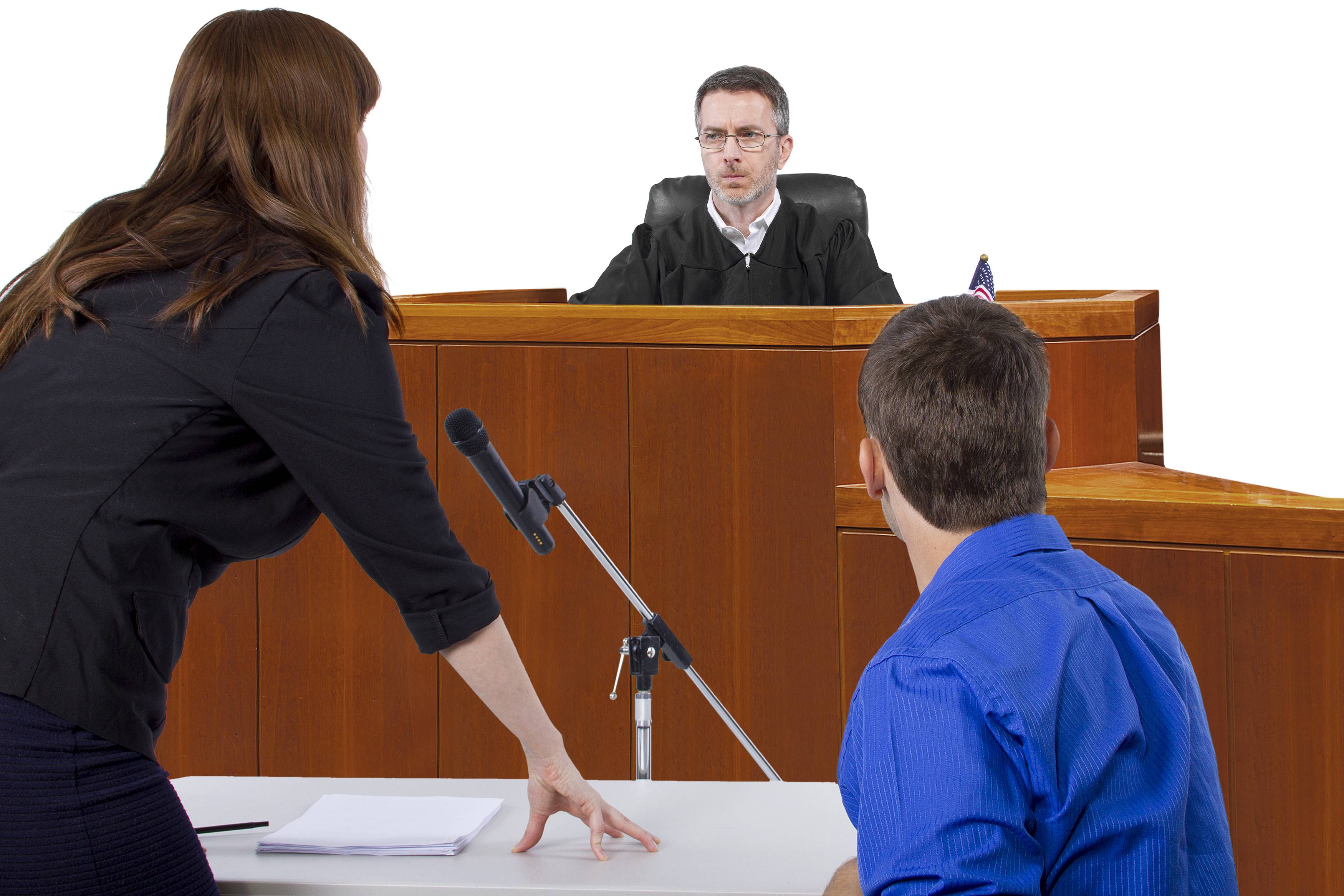
The jurisdiction hearing is similar to a trial for the parents of the child. You will have a chance to respond to the allegations that you abused or neglected your child. It is important that you have an attorney represent you in a child dependency case to help you make a solid legal argument that the allegations in the petition are not supported by the evidence.
During the jurisdiction hearing, the judge can decide if the allegations against you are true, not true, or if some of the allegations are true. The court only needs to find the allegations are true or false by a “preponderance of the evidence,” which means by 51% of the evidence, or slightly more than half of the evidence. This is an extremely low bar for the court to meet. The county counsel representing the social workers will attempt to prove the allegations are true, while your lawyer will attempt to show that you did not abuse or neglect your child. Your child will also be appointed a lawyer who will argue what he or she thinks is in the best interest of the child.
If the court believes that the allegations against you have not been proven, your case will likely be dismissed and your child could be returned to your custody. However, if the judge believes that you abused or neglected your child, a disposition hearing will take place to determine whether you will be able to regain custody of your child.
The Disposition Hearing and Reunification Plan
The next step in the child dependency process is the disposition hearing. This generally takes place within 30 days after the court has “sustained” (which means has found to be true at least one of the allegations in the petition).
At the disposition hearing, the court will review all of the evidence related to your case and make a plan regarding the custody of your child. This is called the “reunification plan.”
After the court reviews the evidence, the judge can decide to:
- Release the child to your custody with the requirement that a social worker monitor and supervise you and your child going forward
- Order that the child stays with a relative or close friend
- Order that the child stays in a foster home
- Order that you participate in counseling or parenting programs (this may also be part of the reunification plan)
- Make decisions as to when you are allowed to visit your child
There are many different options the court has when it comes to your visitation rights with your child. The court could order that you can only visit your child if a monitor is present, or that you can only visit your child in public places. However, you may be able to be reunified with your child if you follow a reunification plan.
The court will lay out specific programs and requirements that you must complete to be reunited with your child in the reunification plan. The goal of the reunification plan is to protect your child and help you correct the behavior that led to the child dependency case. Therefore, you may be required to attend:
- Parenting classes
- Drug or alcohol counseling
- Domestic violence classes, and/or
- Family counseling
Complying with all of the conditions of the reunification plan is very important if you wish to regain custody of your child. You should work with your attorney to make certain you understand what is required of you in terms of compliance with the service plan.
Six-Month Review Hearing in a Child Dependency Case
Six months after agreeing to a reunification plan, you will have a review hearing where the child dependency court will check in on your progress. If the court believes you have followed the requirements set in the reunification plan and that you have corrected the issues that led to your child being taken from you, the court could allow the child to return to your custody.
So, what happens if the court doesn’t believe that you have made satisfactory progress on your reunification plan? If the court finds that you haven’t made sufficient progress, a 12-month review hearing may be set to see if more progress has been made. If you still have not made sufficient progress at your 12-month review hearing, the court will likely set a permanency hearing to decide where your child will be placed permanently.
Permanency Planning Hearing and 26 Hearing (Welfare and Institutions Code 366.26)
At the permanency hearing, the court will decide on a permanent home for your child. In most cases, a permanency hearing takes place because the court believes that your child should not be returned to your custody. Therefore, the child dependency court may choose to have your child live permanently in foster care or with a relative.
This means your parental rights could be terminated. If the court decides to terminate your parental rights, a selection, and implementation hearing will take place. This is known as the “26 hearing” because it comes from Welfare and Institutions Code 366.26.
At the 26 hearing, the court will establish a plan to place the child in a safe and stable permanent home. If your child is staying with a family member or close family friend, that person could become the legal guardian of your child. Your child could also be adopted if he or she is living in a foster care home.
Mandatory Reporting Laws in California (PC 11165.7)
In California, there are certain people who must alert authorities if they believe neglect or abuse has taken place to your child under California Penal Code Section 11166. This is how most child dependency cases begin.
If the mandated reporter, in his or her professional capacity or within the scope of employment, knows, observes or reasonably suspects that a child has been the victim of abuse or neglect, he or she is required to report it as soon as possible. Failure to do so could lead to the mandated reporter facing misdemeanor charges that carry up to six months in county jail and fines of up to $1,000.
Under California Penal Code Section 11165.7, mandated reporters include people who work with children, including:
- Doctors
- Teachers
- Police officers
- Firefighters
- Clergy members
- People who work at day care facilities
- People who develop or print photographs or film
People listed under PC 11165.7 are required to inform the Department of Social Services if they suspect child abuse or neglect.
Child Dependency FAQ
Our attorneys are frequently asked questions regarding the child dependency. To help you better understand child dependency cases in California, our attorneys have answered the most common questions people ask about this matter:
1. Why was my child taken from me?
Your child was likely taken from your custody because you have been accused of child abuse or child neglect and the Department of Social Services believes that these allegations are worth investigating. If it appears that your child is living in an unsafe environment, your child can be taken from you.
2. Can I lose my child permanently?
If it is determined that you cannot provide a safe environment for your child to live in, he or she could be taken from you permanently. However, the child dependency court is a complex and lengthy process. You will have many opportunities to prove that your child should not be taken away from you permanently. You should consider hiring an attorney to help you prove this to the court.
3. Can my child live with a relative?
If you wish for your child to live with a family member or close friend, you need to discuss this with the social workers handling your case. Give the names of potential relatives to social workers. If social workers believe that your child will be living in a safe environment with this relative or close family friend, your child could be placed in the custody of that person.
4. Am I required to report child abuse or neglect if I’m not sure it really happened?
Most people are not required to report potential child abuse or child neglect. However, there are certain mandatory reporters who must alert Social Services if they suspect a child has been neglected or abused. These mandated reporters include teachers, doctors and others who work with children in their profession. Mandated reporters must report these incidents even if they are unsure if child abuse or neglect actually took place.
Call an Experienced Child Dependency Attorney at Wallin & Klarich Today
The child dependency process could result in you losing your child forever. However, before that can happen, you will go through a long, complicated legal process. That is why you should speak to an experienced child dependency attorney about your case today.
Our skilled and knowledgeable attorneys at Wallin & Klarich have more than 40 years of experience successfully representing our clients in child dependency cases. We may be able to help you have your child returned to your custody.
With offices located in Orange County, Riverside, San Bernardino, Victorville, Los Angeles, West Covina, Torrance and San Diego, there is an experienced Wallin & Klarich child dependency attorney available to help you no matter where you work or live.
Call our offices today at (877) 466-5245 for a free phone consultation. We will get through this together.
